
The problem: high quality, no communication
The starting point was a neighbourhood organic shop with a twenty-year history and a loyal, long-standing clientele. The problem was not the product. The supply chain was carefully chosen, the suppliers were selected with criteria, the in-store experience was warm and personal. The problem was that all of this lived only inside the shop, invisible to anyone who had never walked in.
Four concrete bottlenecks emerged from the initial diagnosis:
- Local visibility only, and only for people who already knew the shop: no optimised Google presence, no well-kept My Business listing, no social content published regularly.
- No structured promotional plan: promotions started "by gut feeling", with no seasonal calendar, no defined budget, no measurement of the return.
- A fragmented relationship with suppliers: producers asked how much each category moved on the shelf, but the shop had no tidy numbers to share. Result: zero leverage in price negotiations.
- Fragmentary sales data: the till recorded the total per receipt, not per category or product. Understanding what really worked took hours of manual analysis.
The classic temptation in these cases is to "build a website" or "open an Instagram". Wrong. Without a measurement system, any activity becomes money thrown away. The first intervention had to be structural: understand what was already working, then amplify it.
The strategy in 4 moves
The strategy was built on four operating pillars, each with defined metrics, responsibilities and timing. Every move with a measurable result within 30 days.
| Pillar | What it does | Measurement | Weekly resources |
|---|---|---|---|
| Real content | Reels, posts, in-store signs in the local voice | People reached for free + Google listing visits | 4 hours |
| Seasonal micro-campaigns | Themed promotions with tastings and a tracked coupon | Coupons redeemed + customers never seen at the till | 3 hours |
| Sales measurement | Weekly reports by category and product | Change in sales + shelf space that performs | 2 hours |
| Supplier relationship | Data sharing and joint initiatives | Co-funded marketing contributions | 1 hour |
Ten hours a week, split between the owner and a part-time helper. No outside agency in the first three months. The complexity was in the design of the system, not in the execution.
Real content and local story
The content trap for small shops is chasing the "professional". The organic shop in this case had a huge advantage it was throwing away: the owner's authentic voice. Twenty-three years of experience, first-hand knowledge of the producers, the ability to talk about an apple as if it were a manuscript.
The editorial plan was deliberately minimal. Three recurring formats:
- "Who's behind it": one 60-second reel a week about a producer. Face, name, territory. No sales pitch, just story.
- "What arrived today": photo/video of the fresh product just unloaded, with season and origin. Posted in the morning, before opening.
- "Sign in the window": every week a recipe idea or a nutrition tip, handwritten and photographed. Put up again in the shop for people who weren't online.
The result did not come from a single viral piece of content. It came from perceived consistency. In 12 weeks, the local audience started to recognise the shop not just as a physical place, but as a voice. The shop's Google listing recorded +180% direction requests, and visits to the website (a simple page) grew by 220% without a single euro of ad investment.
A good organic shop doesn't sell products, it sells trust. Real content shot in the shop is the fastest way to carry that trust beyond the square metres of the point of sale. Matteo Coloru
Seasonal micro-campaigns with tracked tastings
The big chains run permanent promotions, often detached from the season and from the product's identity. The small organic store can't compete on that ground, but it has an advantage: the real seasonality of the short supply chain.
We built a yearly calendar of 8 seasonal micro-campaigns, each tied to a peak in product availability (asparagus in March, strawberries in April, cherries in May, and so on). Each campaign ran for 3-4 weeks and always followed the same structure:
- In-store tasting: on Saturday mornings, a product to try at the counter plus a card with a scannable code that opened a recipe page and a 15% discount coupon on the ingredient.
- Supporting content: 3 reels a week on the seasonal theme, published for free on the shop's channels.
- A small paid push: €200-300 of advertising on Facebook and Instagram, shown only to people living within 4 km, in particular residents who already followed local food pages.
- Dedicated coupon: each campaign had a different code (e.g. "ASPARAGI25", "FRAGOLE25") that made it possible to see where each sale came from.
The tracked tasting was the most underrated lever. In numbers:
| Campaign | Tastings handed out | Coupons redeemed | Share that purchased |
|---|---|---|---|
| Asparagus, March | 120 | 34 | 28% |
| Strawberries April | 180 | 52 | 29% |
| Cherries May | 150 | 48 | 32% |
| Tomatoes July | 200 | 71 | 36% |
A 28-36% share coming back to buy, for a shop promotion, is exceptional. The reason is simple: whoever tastes has already chosen with their palate. They have already said yes to the product. The coupon is just a bridge back.
Measurement and supplier reports
The small organic store sits in a strange position: it is the touchpoint with the end customer, it has first-hand numbers, but it rarely shares them with suppliers in an orderly way. Result: zero strength in price negotiations, eroded margin, little say in assortment choices.
We introduced a monthly one-page report for each main supplier, with four fixed sections:
- What sold, product by product: units and change compared with the previous month.
- Shelf photo: display, position, any special initiatives.
- Campaign results: if the product was part of a micro-campaign, the tasting and coupon numbers.
- The voice of customers: 2-3 sentences collected by the owner during the week.
Time needed to prepare the report: 90 minutes a month, almost entirely automatic from the third cycle with a Google Sheet and a fixed structure. Strategic impact: in the six months after the first report, three of the ten main suppliers paid for part of the campaigns (annual total: €2,400), a fourth offered a six-month territory exclusive on a premium line.
Operational lesson
Sharing tidy numbers with the supplier is not generosity: it is a strategic move. It turns the small shop from a customer into an ally. The supplier starts to see the shop as a channel that matters, not as one among many.
The results: the real numbers
The 90-day measurement gave a clear picture. Revenue grew, of course. But underneath, the very structure of the shop had changed.
| Metric | Pre-intervention | At 90 days | Change |
|---|---|---|---|
| Monthly revenue | 32,500 € | 53,600 € | +65% |
| Receipts/day | 78 | 108 | +38% |
| Average order value | 17.90 € | 20.05 € | +12% |
| New customers per month | 14 | 61 | +335% |
| Google listing visits | 340 | 952 | +180% |
The figure that says the most is +335% new customers. It means the shop was getting its existing customers to buy more while building a new base at the same time. The average basket up 12% confirmed one thing: the new customers were not discount hunters, they were people walking in for the first time, finding quality, and coming back.
Practical lessons for anyone running an organic shop
1. Consistency beats budget
Three €300 micro-campaigns spread over 12 weeks work better than a single €1,000 campaign. The local audience needs to see the shop in their timeline more than once before deciding to walk in.
2. Tasting is the best promotion (if tracked)
Giving out products to taste without a coupon you can trace back to the campaign is handing out samples. Giving them out with a scannable code and a clear expiry date creates a purchase path, made at the counter, that you measure like an online campaign.
3. Suppliers are your second customer
The small organic store rarely uses its sales data as a card to play in negotiations. Share a tidy monthly report and you will change the way producers see you. From "one of many stores" to "a channel that matters".
4. The owner's voice is worth more than an agency
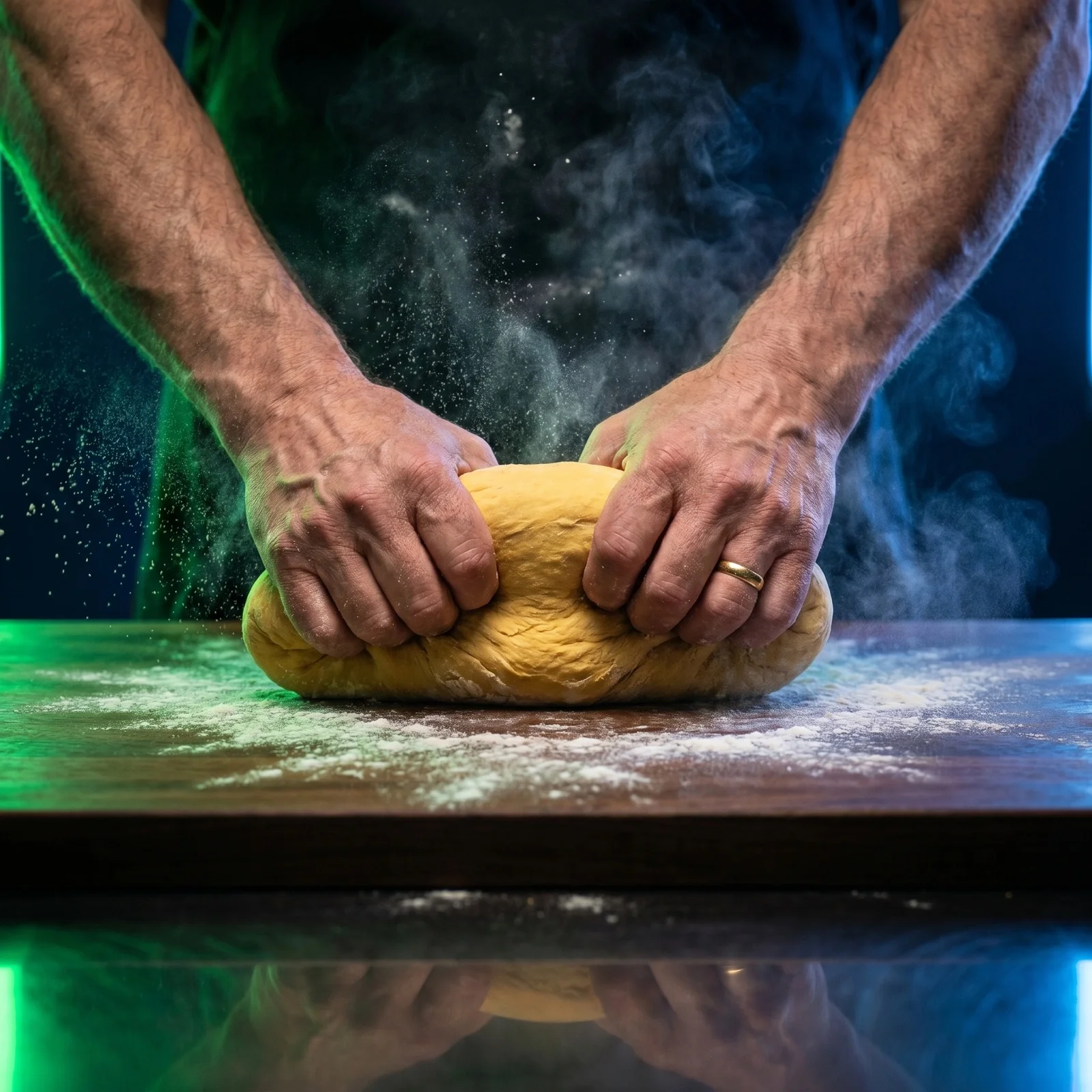
A small organic shop has a weapon the big chains don't: the person behind the counter. Getting content out with that voice, in that setting, with those hands, builds an identity that cannot be copied.
5. Measure before you promote
Without a till that splits sales by category or a well-built Google Sheet, any campaign is an act of faith. Measurement is the foundation everything else is built on.
How to reproduce the method in your shop
The method is not proprietary, it is repeatable. Here are the steps in priority order for an owner who wants to start alone:
- Check what your till measures (2 hours). Find out what your cash register already measures. If it doesn't split by category, consider an upgrade or a separate sheet.
- Prepare coupons with different codes (3 hours). Define a way to name them (CAMPAIGN-MONTH-YEAR), a system to record them, a weekly report.
- Seasonal calendar (4 hours). Mark 6-8 flagship products across the year, assign each a micro-campaign with timing and budget.
- Content plan, 3 a week (2 hours to start, 4 hours a week to make them). Formats that repeat, a consistent voice, no perfectionism.
- A report template for suppliers (2 hours). A tidy Google Sheet with what was sold, shelf photos, campaign results, the voice of customers.
- Tracked tastings (1 hour per campaign to prepare). Cards with a scannable code, a tasting station, recording of the coupons redeemed.
- Monthly numbers check (90 minutes a month). What worked, what didn't, what to change next round.
Frequently asked questions about marketing for an organic shop
How much budget do you need to do marketing for an organic shop?
You don't need a big budget. The case described was achieved with micro-campaigns of under €300 a month per channel, spread over time and focused on tastings with a tracked coupon and real content shot in the shop. The lever is not the budget, it is the system you measure with, and consistency.
How do you measure the results of a campaign in a physical shop?
Three levers work together: a different discount code for each campaign or channel, an in-store tasting with a scannable code and a coupon that brings people back to the till, and till figures split by product category. Put the three together and you can see where each sale comes from with good accuracy.
What is the difference between real content and classic advertising for a shop?
Real content (reels, posts in the local voice, shelf signs in the shop) builds trust and recognition over time, for next to nothing. Paid advertising pushes a single commercial event. The organic shop in this case put 70% of its time into real content and 30% into seasonal paid campaigns.
How long does it take to see the first results?
The first changes at the till show up 4-6 weeks after the start of a well-tracked seasonal micro-campaign. Structural changes (average basket, returning customers, a growing customer base) take 12-16 weeks of consistency.
Can this method be applied to a chain of organic shops?
Yes, with adjustments. For a chain you need a single measurement system (tills with different codes per campaign), content that adapts to each territory and a structure to manage suppliers on several levels. The principle stays the same, the scale changes.
Do you need an agency, or can you do it on your own?
In the first 3-6 months it is better to do it yourself. The owner's authentic voice is the main competitive advantage, and it has to be built before it is delegated. When the system works, you can outsource the content production part while keeping the voice and the strategy in house.